A website that turns visits into pipeline.
A fast, clear B2B site built on your positioning and wired to your stack, so the right visitors find answers quickly and become qualified pipeline.
- Week 3
Core pages relaunched
- Week 7
Speed and navigation fixed
- Week 11
Conversion path live
Visitors reach the right page and the right ask.
Website Development, built for outcomes. Here is what changes.
Clear paths to buy.
Pages built around the questions buyers ask before they talk to sales.
Fast on every device.
Modern engineering that keeps load times low and search healthy.
Easy to keep growing.
A CMS and component system your team can update without a ticket.
Everything ships as one system. Run in Foundation.
User flows, information architecture, and wireframes that define how buyers move from awareness to conversion.
Results from teams like yours.
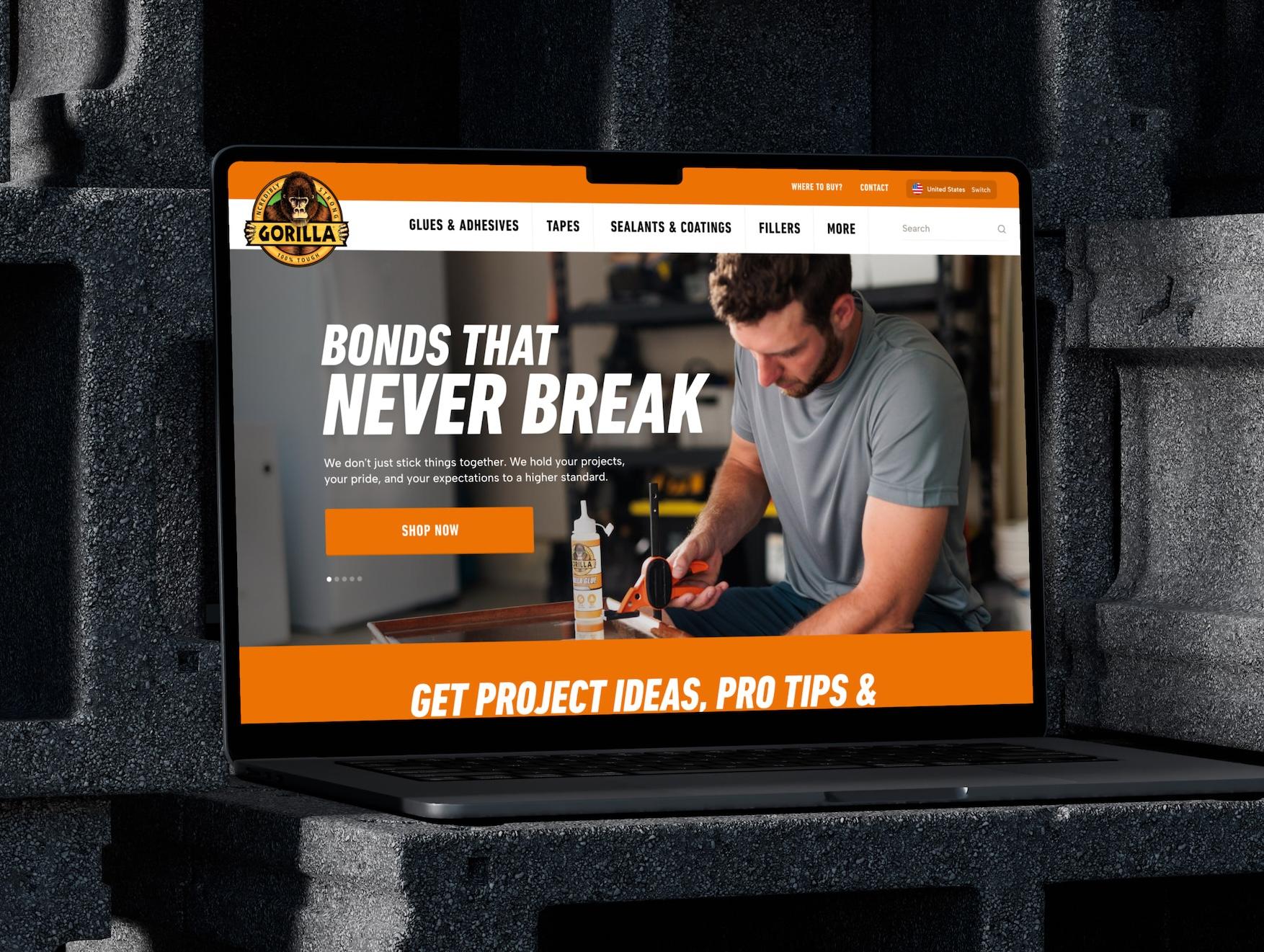
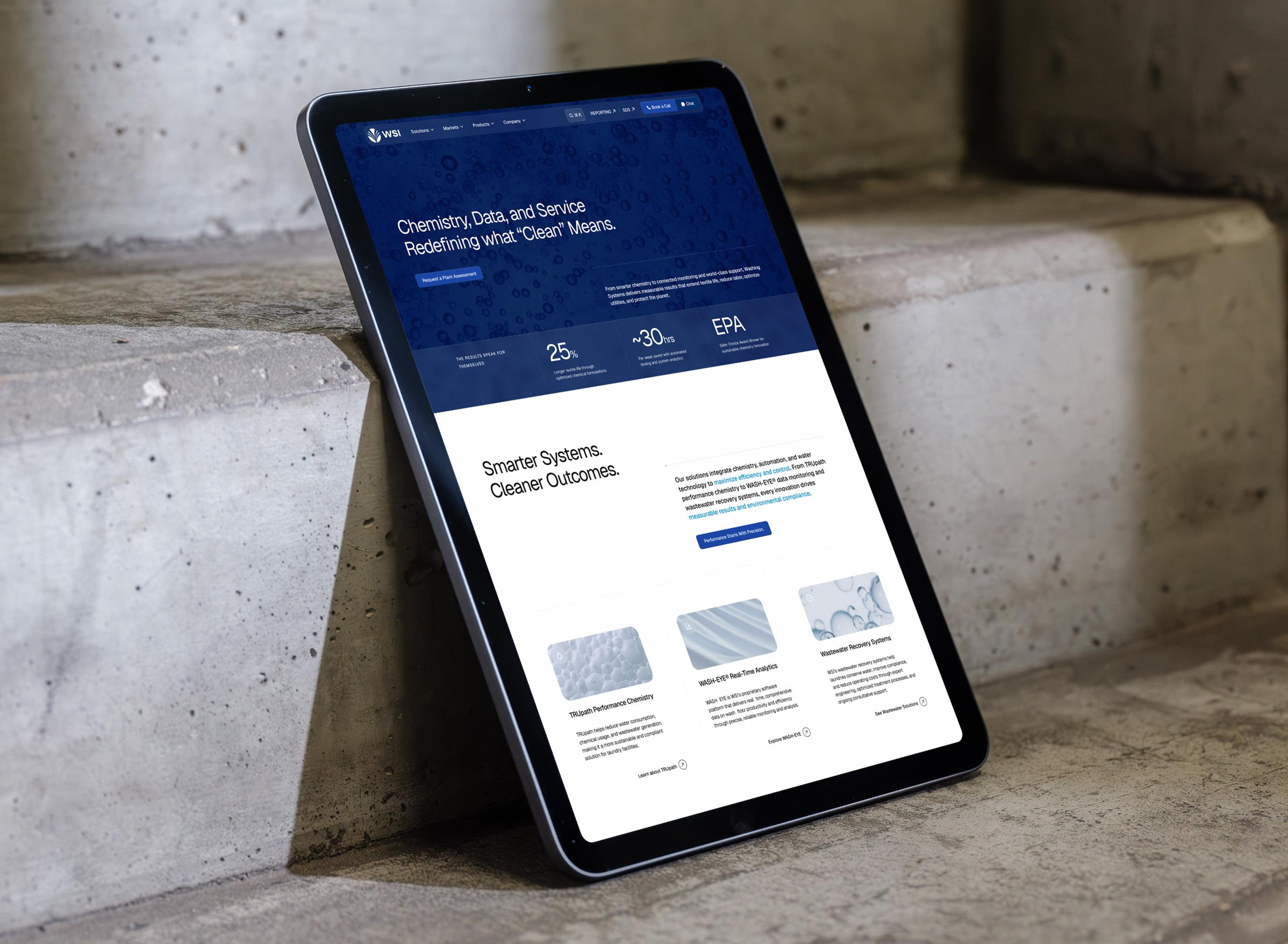
Companies like yours came to us stuck, and left with a sharper story, a site that sells and more of the right buyers in the pipeline.
Other solutions in Foundation. Each one plugs into the same system.
Positioning, story and identity built into one system, so paid, sales and product all tell the same story and every buyer hears why you win.
Explore Brand ArchitectureFrequently asked questions.
Yes. Website design is the Website Development practice inside Magnet's GTM system: UX, UI, and engineering for sites that convert.
Most sites we build run on Next.js, hosted on Vercel, with a headless CMS such as Payload or Sanity behind them. That stack is fast, ranks well and stays easy for your team to run after launch.
Yes. We pair Next.js with a headless CMS like Payload or Sanity, so your team can edit pages, posts and offers without touching code. We pick the CMS that fits your workflow and set it up before launch.
Sometimes. Integration and QA & Refinement can extend an existing build if the underlying architecture is sound. If Foundation review finds the structure is the actual constraint, we will say so before scoping any build work.
Yes. Website redesigns are common when the brand and messaging are sound but the site leaks conversion. We audit information architecture and conversion paths first, then redesign or rebuild only what the constraint requires — not a full rebuild by default.
Depends on what is broken. If the information architecture and conversion paths are sound, QA & Refinement and targeted UI Design can fix specific pages. If the structure itself is the problem, Development rebuilds it properly rather than patching around it.
Development ships against explicit Core Web Vitals targets set before build starts, not measured after the fact. Performance benchmarking is part of UX Architecture, not an afterthought bolted on at launch.
UX Architecture maps how buyers move through the site before visual design starts — navigation, page roles, conversion paths, and content hierarchy. Pretty UI on a confused IA still leaks demand.
Yes. Accessibility requirements are part of UX and UI standards, not a post-launch checklist. We build so operators can maintain accessible patterns, not bolt on fixes after the first audit fails.
Web work always ships with strategy and measurement, never in isolation. In Foundation, the new site goes live within the 30 days. Larger builds, such as ecommerce or complex platforms, are scoped separately.
Pick the plan that fits where you are today.
Each plan stands on its own, with no prerequisite. Prices in USD. Ad spend and third-party tools are billed separately.
Tell us where growth is stuck. A senior strategist replies within a day.


You'll talk with Gavin, Andrew or Sarah, the senior team that runs every engagement.